%2Ffit-in%2F250x250%2Fguide_websites%2F420%2Fimages%2F1763521398600spot-stalker-_3_-1-294w-removebg-preview.png&w=1920&q=100)
/users/b0111a3f-50fa-4a52-a020-23431b7440cb/ratecard/461255988_1056706196461313_5563103487255790225_n-mi5ivvb0.jpg)
%2F300x300%2Fusers%2Fb0111a3f-50fa-4a52-a020-23431b7440cb%2Fratecard%2F461255988_1056706196461313_5563103487255790225_n-mi5ivvb0.jpg&w=256&q=75)
%2F300x300%2Fusers%2Fb0111a3f-50fa-4a52-a020-23431b7440cb%2Fimages%2F1c25584f-98bd-4de7-ad06-70c58d81b3ee.jpg&w=256&q=75)
%2F300x300%2Fusers%2Fb0111a3f-50fa-4a52-a020-23431b7440cb%2Fimages%2F65d7c1ed-3fba-4e30-bde2-4cc09f13b470.jpg&w=256&q=75)
%2F300x300%2Fusers%2Fb0111a3f-50fa-4a52-a020-23431b7440cb%2Fimages%2Fcf22e88f-0836-4647-841e-a9126b59f736.jpg&w=256&q=75)
%2F300x300%2Fusers%2Fb0111a3f-50fa-4a52-a020-23431b7440cb%2Fimages%2Fee9e0c82-dec4-4473-9fd4-515a8d31df02.jpg&w=256&q=75)
%2F300x300%2Fusers%2Fb0111a3f-50fa-4a52-a020-23431b7440cb%2Fimages%2Fb260b05c-8678-41c6-8355-7674536994c3.jpg&w=256&q=75)
%2F300x300%2Fusers%2Fb0111a3f-50fa-4a52-a020-23431b7440cb%2Fimages%2F813cd47b-37a6-42c0-80e1-df5622ad2643.jpg&w=256&q=75)
%2F300x300%2Fusers%2Fb0111a3f-50fa-4a52-a020-23431b7440cb%2Fimages%2F450d0448-42c3-4c8a-ab4a-41848347bad2.jpg&w=256&q=75)
%2F300x300%2Fusers%2Fb0111a3f-50fa-4a52-a020-23431b7440cb%2Fimages%2F9d6d76e9-ab8a-461e-9b8a-7d4ba6103a22.jpg&w=256&q=75)
%2F300x300%2Fusers%2Fb0111a3f-50fa-4a52-a020-23431b7440cb%2Fimages%2Fc4100f68-65de-43a1-b404-518d5d0b8998.jpg&w=256&q=75)
%2F300x300%2Fusers%2Fb0111a3f-50fa-4a52-a020-23431b7440cb%2Fimages%2F90a5b9f5-9509-4395-b8ad-3fa009768be7.jpg&w=256&q=75)
Ponce Inlet Flats Fishing: Premier Half-Day Trip
 New Smyrna Beach
What you will be catching:
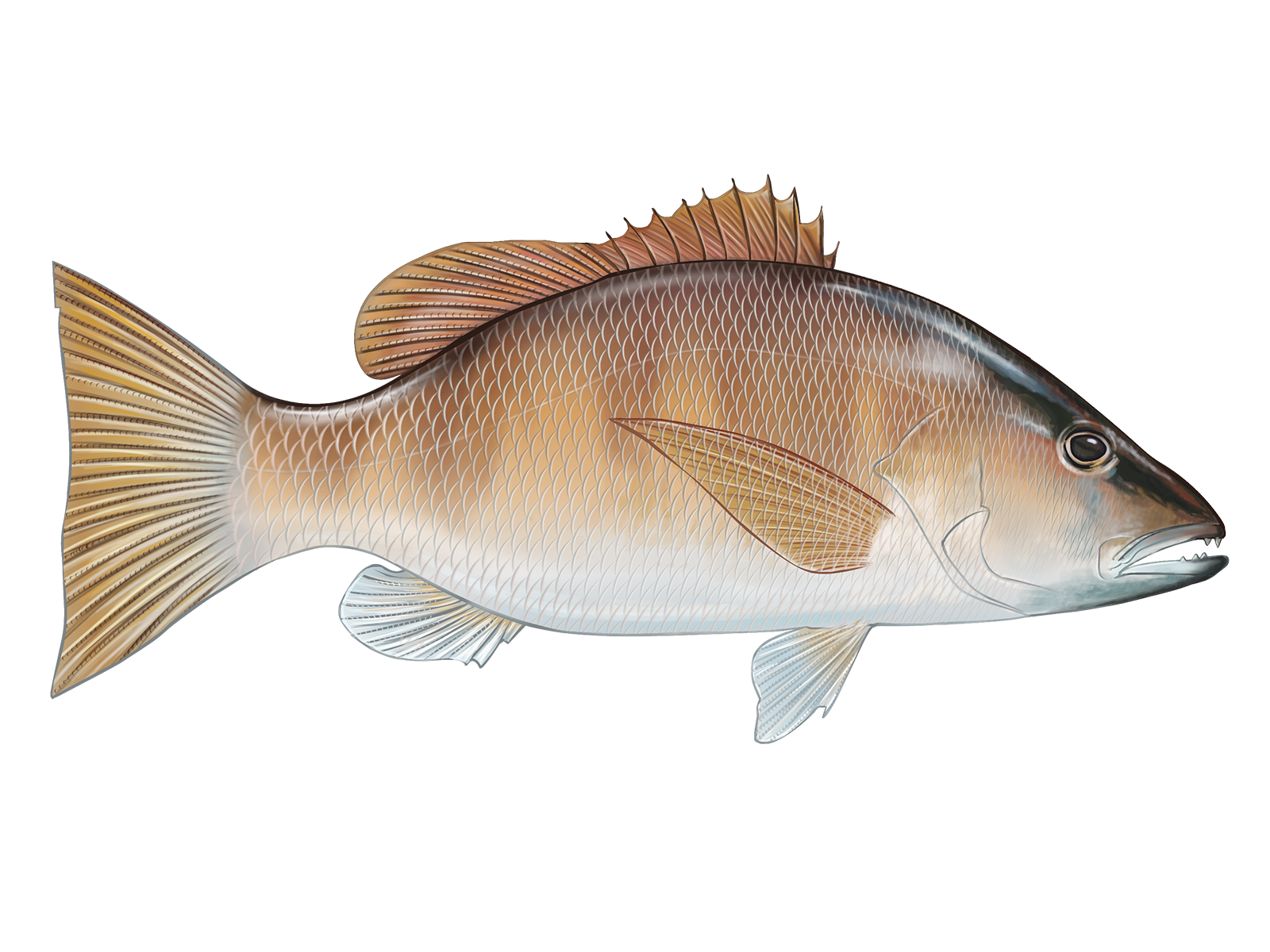 Grey Snapper
 Redfish
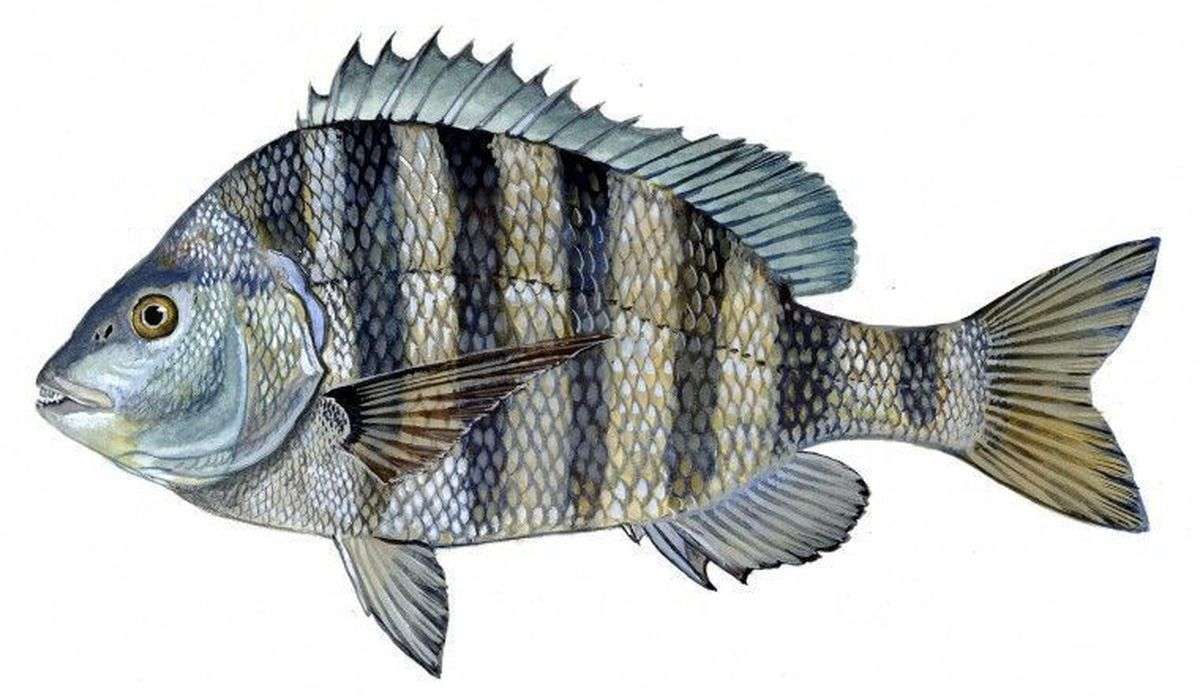
 Sheepshead
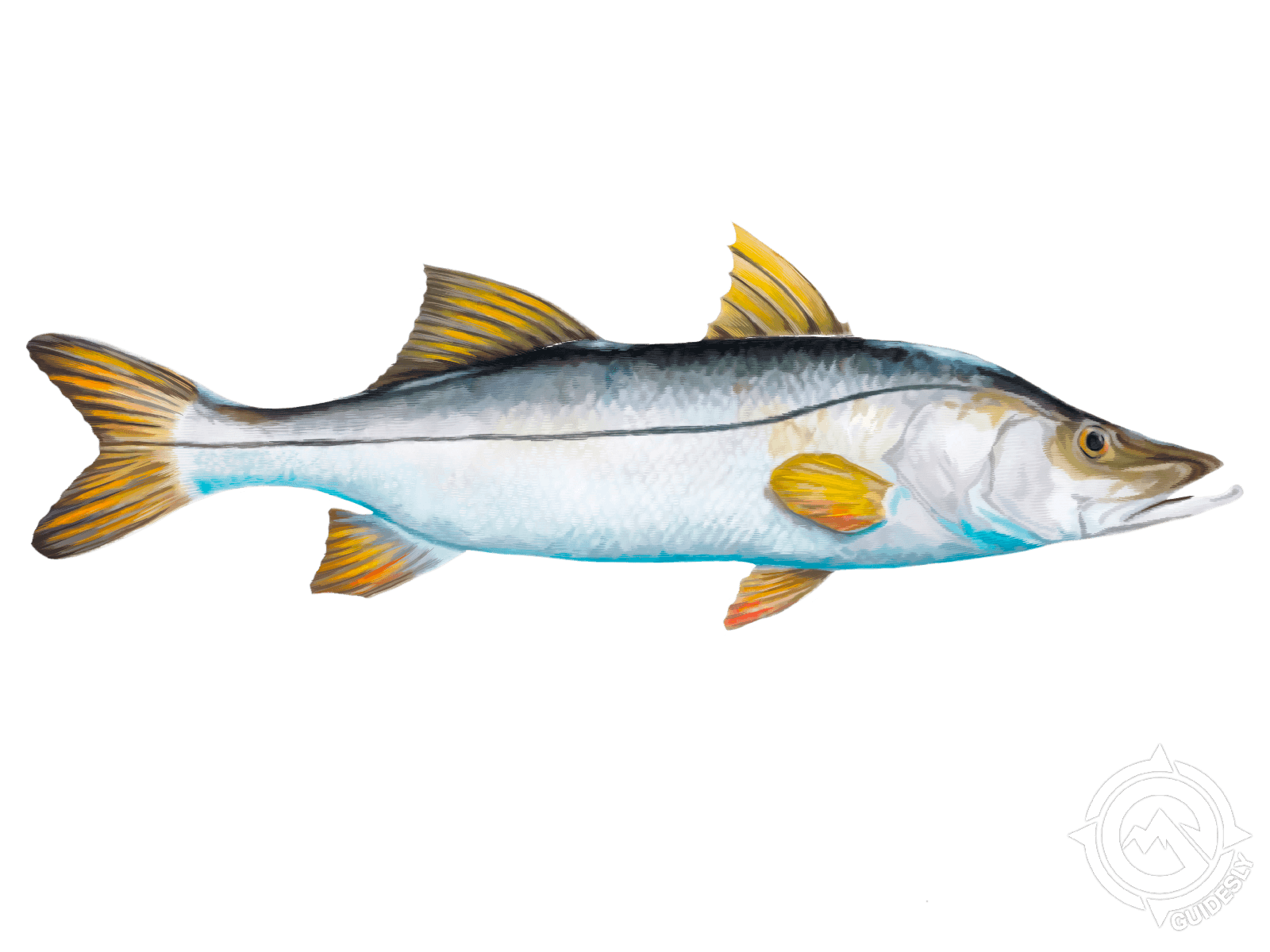
 Snook
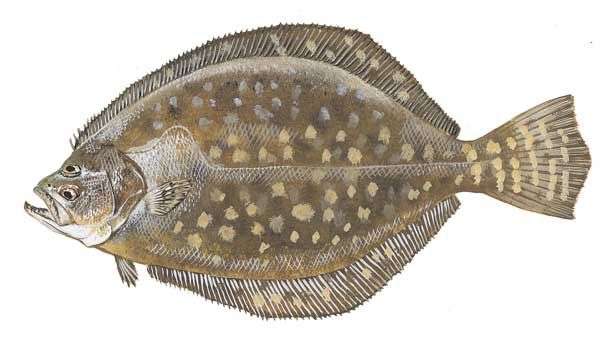
Snook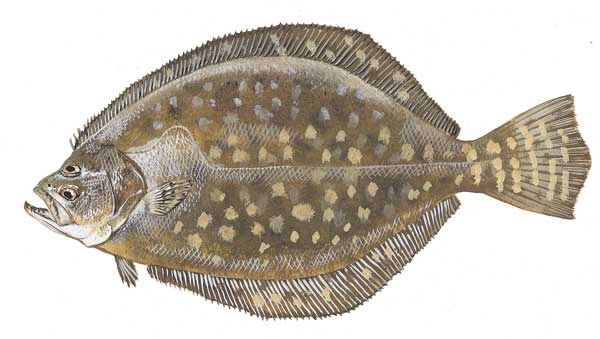 Southern Flounder
- Four-hour morning charter targeting redfish, snook, and trout species
- All fishing gear, live bait, and local guide expertise included
- Protected Halifax and Indian River waters ensure fishable conditions
Trip Pricing and Availabilities:
Half Day Ponce Inlet Inshore Fishing Charter
You're looking at one of Florida's most productive inshore fishing spots, and I've been guiding these waters for years. This 4-hour morning charter kicks off at 7:00 AM when the fish are most active, taking you through the interconnected maze of Ponce Inlet, Halifax River, and Indian River systems. What makes this trip special isn't just the fish count – it's how these three waterways create perfect conditions for multiple species all in one outing. The cooler morning temperatures keep baitfish moving, which means your target species are feeding aggressively before the midday heat sets in. I'll handle all the gear, live bait, and navigation while you focus on what matters: landing fish and enjoying some of the cleanest inshore waters on Florida's east coast.
What to Expect on the Water
This isn't your typical party boat experience – with just one angler, you get personalized attention and can fish at your own pace. We'll start by reading the water conditions and tide movement to determine our first spot. The beauty of this area is the variety: shallow grass flats for sight fishing, deeper channels for bottom species, and mangrove shorelines where ambush predators wait. I keep live shrimp, pinfish, and mud minnows on board because different species respond to different presentations. You'll learn to read structure, understand how tides affect fish behavior, and pick up techniques that work specifically in these waters. Don't worry if you're new to inshore fishing – I'll get you comfortable with the gear and teach you to feel the difference between a bite and bottom contact. Experienced anglers appreciate the local knowledge I share about seasonal patterns and productive techniques that work year-round in this system.
Techniques & Prime Spots
We'll be using light tackle spinning gear perfect for the species we're targeting, with live bait being the go-to method most of the year. I rig everything from jig heads under popping corks for trout to Carolina rigs for bottom species like sheepshead and flounder. The Halifax River offers deeper water and current breaks where snook and redfish ambush baitfish, while the Indian River shallows are perfect for sight casting to cruising reds. Ponce Inlet itself provides structure fishing around the jetties and bridge pilings where mangrove snapper and sheepshead congregate. I adjust our approach based on tide, time of year, and what the fish are telling us. Some days we're drifting grass flats, other days we're anchored on structure. The key is staying mobile and reading the signs – bird activity, bait movement, water temperature changes. I carry a range of artificial lures too, because when the fish are active, topwater plugs and soft plastics can produce explosive strikes.
Top Catches This Season
Southern Flounder are the masters of camouflage in these waters, lying perfectly flat on sandy bottoms waiting for unsuspecting baitfish to swim overhead. They're most active during cooler months and moving water, with fish ranging from 14 to 20 inches being common catches. What makes them exciting is the initial run – they don't give up easily once hooked. Snook are the crown jewel of inshore fishing here, with their distinctive black lateral line and aggressive strikes. These fish love structure and ambush points, particularly around bridges and mangrove edges. They're highly regulated for good reason – they're incredible fighters and excellent eating when in season. Grey Snapper, or mangrove snapper as locals call them, are year-round residents around any hard structure. They're smart, finicky biters that require stealth and the right bait presentation, but their aggressive nature once hooked makes them a favorite among anglers.
Sheepshead are the bait stealers of the inshore world, with their human-like teeth perfectly designed for crushing barnacles and crabs off structure. They're most active during cooler months and provide excellent table fare. The challenge is feeling their subtle bite before they steal your bait – it's a skill that comes with experience. Redfish are perhaps the most reliable species in this system, available year-round and always willing to eat. These copper-colored bruisers are known for their powerful runs and stubborn fighting style. They're perfect for beginners because they're aggressive feeders, but they also provide enough challenge to keep experienced anglers interested. Slot-sized reds between 18-27 inches are common, and these fish are built for the shallow water environment we'll be fishing.
Time to Book Your Spot
Morning charters consistently outproduce afternoon trips in these waters, and this 7:00 AM departure puts you on the fish when they're most cooperative. The combination of three distinct waterways, expert local guidance, and prime fishing hours creates the perfect recipe for a successful day on the water. I provide everything you need – gear, bait, licenses, and years of local knowledge that you can't get from fishing apps or online reports. Whether you're looking to learn new techniques, add to your species count, or just enjoy some quality time on the water, this half-day charter delivers without the commitment of a full day. The single-angler format means personalized instruction and the flexibility to focus on whatever type of fishing interests you most. Book your morning slot and experience why Ponce Inlet consistently ranks as one of Florida's top inshore fishing destinations.
Learn more about the species
Grey Snapper
Grey Snapper, or Mangrove Snapper as most folks call them, are smart little fighters with excellent table qualities. Around here they typically run 10-14 inches and 1-2 pounds, though we occasionally find larger ones in deeper water. They love hanging around any structure - docks, bridges, rock piles, and especially mangrove shorelines where they ambush small baitfish and crustaceans. They're year-round residents but bite best during warmer months and low-light periods. What makes them popular is their challenging nature - they're cautious biters with excellent eyesight - and their sweet, flaky white meat that's perfect for the dinner table. Since they're primarily nocturnal feeders, they can be finicky during bright conditions. My secret: use the smallest hook possible with fresh live shrimp, keep it still near bottom, and when you feel that subtle tick, don't hesitate - set the hook immediately.
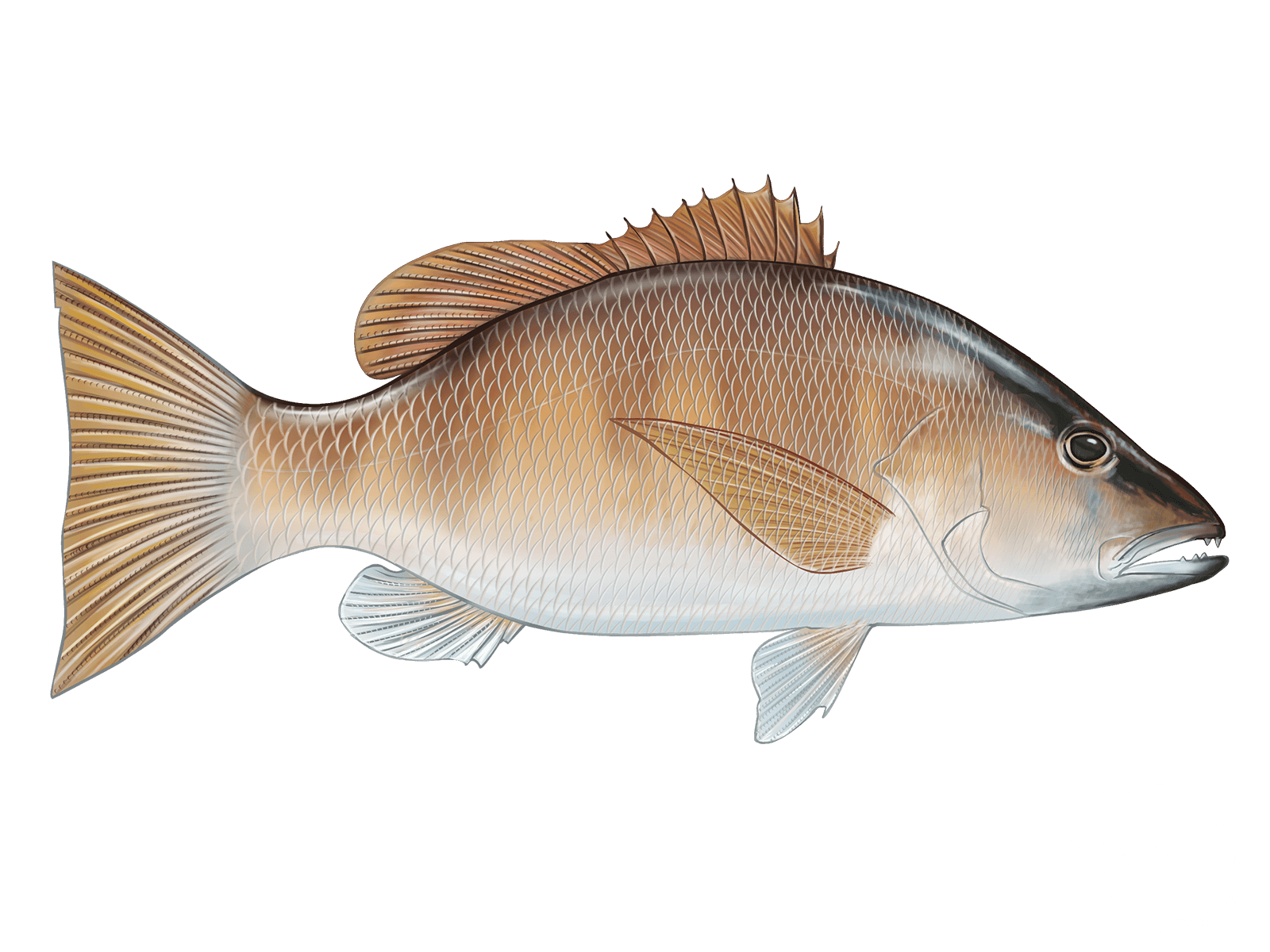
Redfish
Redfish are our bread-and-butter inshore species - bronze-colored bruisers with distinctive black spots near their tails. Most fish we catch run 20-27 inches, perfect slot-size fish, though we see plenty of oversized bulls pushing 30+ inches that provide serious fights. They cruise shallow flats, oyster bars, and grass beds in 1-4 feet of water, often so shallow their backs are exposed. They're year-round residents but fall and spring offer the best action when they're schooled up and feeding aggressively. What guests love is their willingness to eat almost anything and their powerful, drag-screaming runs. The slot fish make excellent table fare too - mild and flaky. My best tip: look for nervous water or tailing fish, then cast live shrimp or soft plastics ahead of their path and let them find it. Don't retrieve too fast - redfish like to track down their meals.
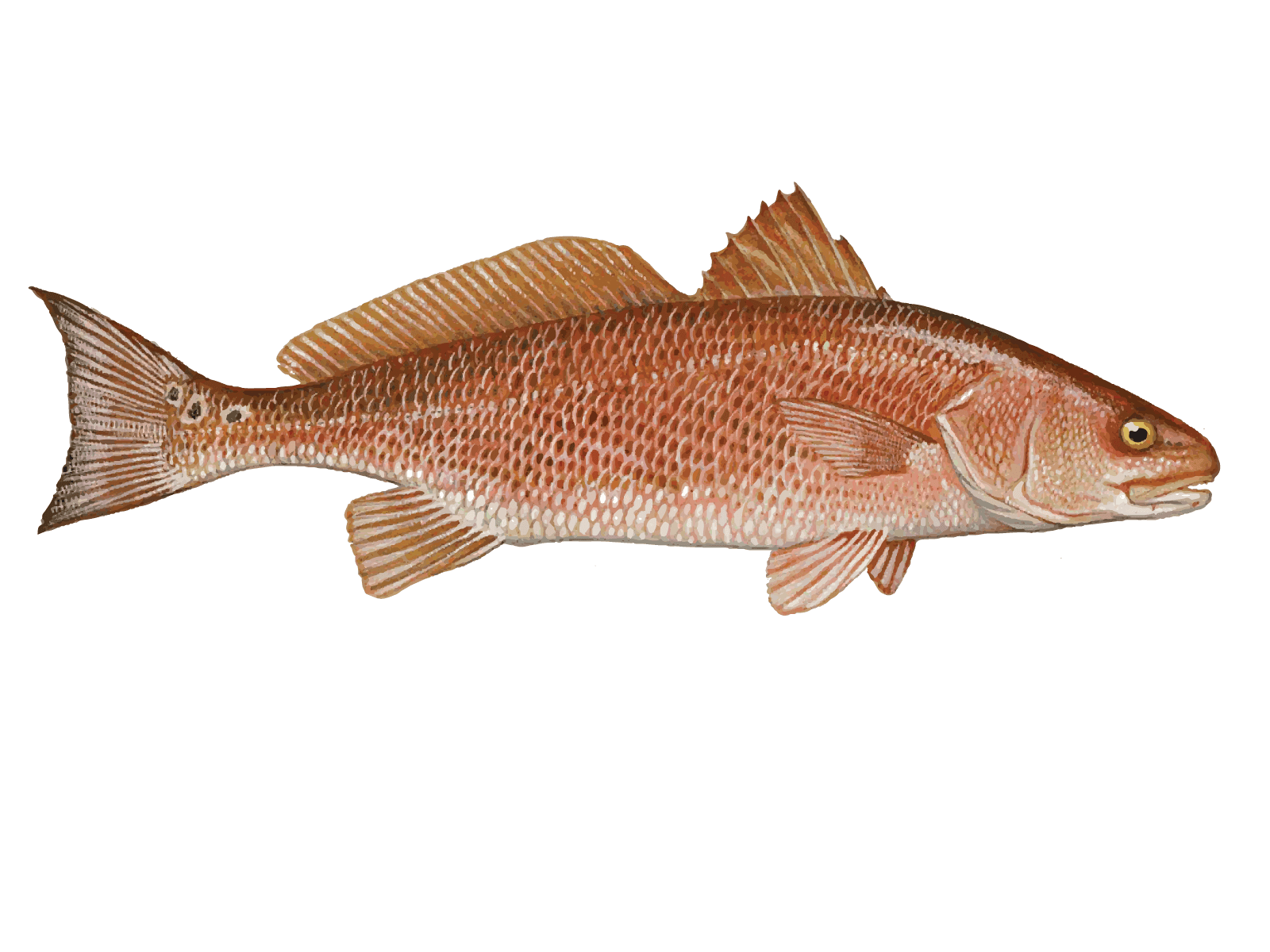
Sheepshead
Sheepshead are the ultimate challenge fish - famous for their human-like teeth and notorious bait-stealing skills. These black-and-white striped convicts typically run 1-3 pounds around our docks and bridges, but we regularly see 5-8 pounders that'll really test your tackle. They're always tight to structure - bridge pilings, docks, rock piles - anywhere they can scrape off barnacles and grab crabs. Winter through early spring is peak season when they're spawning and most aggressive. What draws people to them is the technical challenge and fantastic eating - sweet, firm white meat that's hard to beat. They'll nibble your bait clean without you feeling a thing, so stay alert. Here's the key: use small hooks with fresh shrimp, fiddler crabs, or oysters. Keep your bait tight to the structure and when you feel any weight or ticking, set the hook hard - their bony mouths require a solid hookset.
Snook
Snook are the crown jewel of our inshore fishing - sleek predators with that distinctive black lateral line and seriously aggressive attitude. Most fish we catch run 18-28 inches, but the big females can push 35+ inches and really test your drag. They're structure-oriented fish, hanging around docks, mangroves, bridges, and oyster bars in 2-6 feet of water. Spring through fall is prime time, especially around new and full moons when they're most active. What guests love is their explosive strikes and bulldogging fights - they'll make several strong runs before giving up. The meat is outstanding too, firm and mild. Here's my go-to trick: work live pilchards or shrimp tight to structure, but once you hook up, get their head turned quickly and pull them away from cover or they'll wrap you up in the mangroves every time.
Southern Flounder
Southern Flounder are fascinating flatfish that lie buried in sand and mud, waiting to ambush prey. You'll recognize them by both eyes being on their left side and their amazing ability to change color to match the bottom. Most run 15-18 inches around here, though we occasionally see them pushing 25+ inches. They love shallow flats, grass beds, and sandy bottoms throughout our area - especially around structure transitions. Fall and winter months are prime time when they're feeding heavily before their offshore spawn. What makes them special is the challenge - they're sneaky biters and excellent table fare with sweet, white meat. My tip: use a light slip-sinker rig with live shrimp and barely lift it off bottom every few seconds. That subtle movement triggers strikes from fish that might otherwise just mouth the bait.
About the Skeeter SX240
%2F%2Fusers%2Fb0111a3f-50fa-4a52-a020-23431b7440cb%2Fvehicle_picture%2F1000003938-mfv6ep4q.jpg&w=1920&q=75)
Vehicle Guest Capacity: 5
Manufacturer Name: Yamaha
Maximum Cruising Speed: 40
Number of Engines: 1
Horsepower per Engine: 300