%2Ffit-in%2F250x250%2Fguide_websites%2F420%2Fimages%2F1763521398600spot-stalker-_3_-1-294w-removebg-preview.png&w=1920&q=100)
/users/b0111a3f-50fa-4a52-a020-23431b7440cb/ratecard/494013867_1238403288291602_8016578493963515784_n-mi5j05jr.jpg)
%2F300x300%2Fusers%2Fb0111a3f-50fa-4a52-a020-23431b7440cb%2Fratecard%2F494013867_1238403288291602_8016578493963515784_n-mi5j05jr.jpg&w=256&q=75)
%2F300x300%2Fusers%2Fb0111a3f-50fa-4a52-a020-23431b7440cb%2Fimages%2F1c25584f-98bd-4de7-ad06-70c58d81b3ee.jpg&w=256&q=75)
%2F300x300%2Fusers%2Fb0111a3f-50fa-4a52-a020-23431b7440cb%2Fimages%2F65d7c1ed-3fba-4e30-bde2-4cc09f13b470.jpg&w=256&q=75)
%2F300x300%2Fusers%2Fb0111a3f-50fa-4a52-a020-23431b7440cb%2Fimages%2Fcf22e88f-0836-4647-841e-a9126b59f736.jpg&w=256&q=75)
%2F300x300%2Fusers%2Fb0111a3f-50fa-4a52-a020-23431b7440cb%2Fimages%2Fee9e0c82-dec4-4473-9fd4-515a8d31df02.jpg&w=256&q=75)
%2F300x300%2Fusers%2Fb0111a3f-50fa-4a52-a020-23431b7440cb%2Fimages%2Fb260b05c-8678-41c6-8355-7674536994c3.jpg&w=256&q=75)
%2F300x300%2Fusers%2Fb0111a3f-50fa-4a52-a020-23431b7440cb%2Fimages%2F813cd47b-37a6-42c0-80e1-df5622ad2643.jpg&w=256&q=75)
%2F300x300%2Fusers%2Fb0111a3f-50fa-4a52-a020-23431b7440cb%2Fimages%2F450d0448-42c3-4c8a-ab4a-41848347bad2.jpg&w=256&q=75)
%2F300x300%2Fusers%2Fb0111a3f-50fa-4a52-a020-23431b7440cb%2Fimages%2F9d6d76e9-ab8a-461e-9b8a-7d4ba6103a22.jpg&w=256&q=75)
%2F300x300%2Fusers%2Fb0111a3f-50fa-4a52-a020-23431b7440cb%2Fimages%2Fc4100f68-65de-43a1-b404-518d5d0b8998.jpg&w=256&q=75)
%2F300x300%2Fusers%2Fb0111a3f-50fa-4a52-a020-23431b7440cb%2Fimages%2F90a5b9f5-9509-4395-b8ad-3fa009768be7.jpg&w=256&q=75)
Expert Inshore Fishing at Ponce Inlet & Rivers
 New Smyrna Beach
What you will be catching:
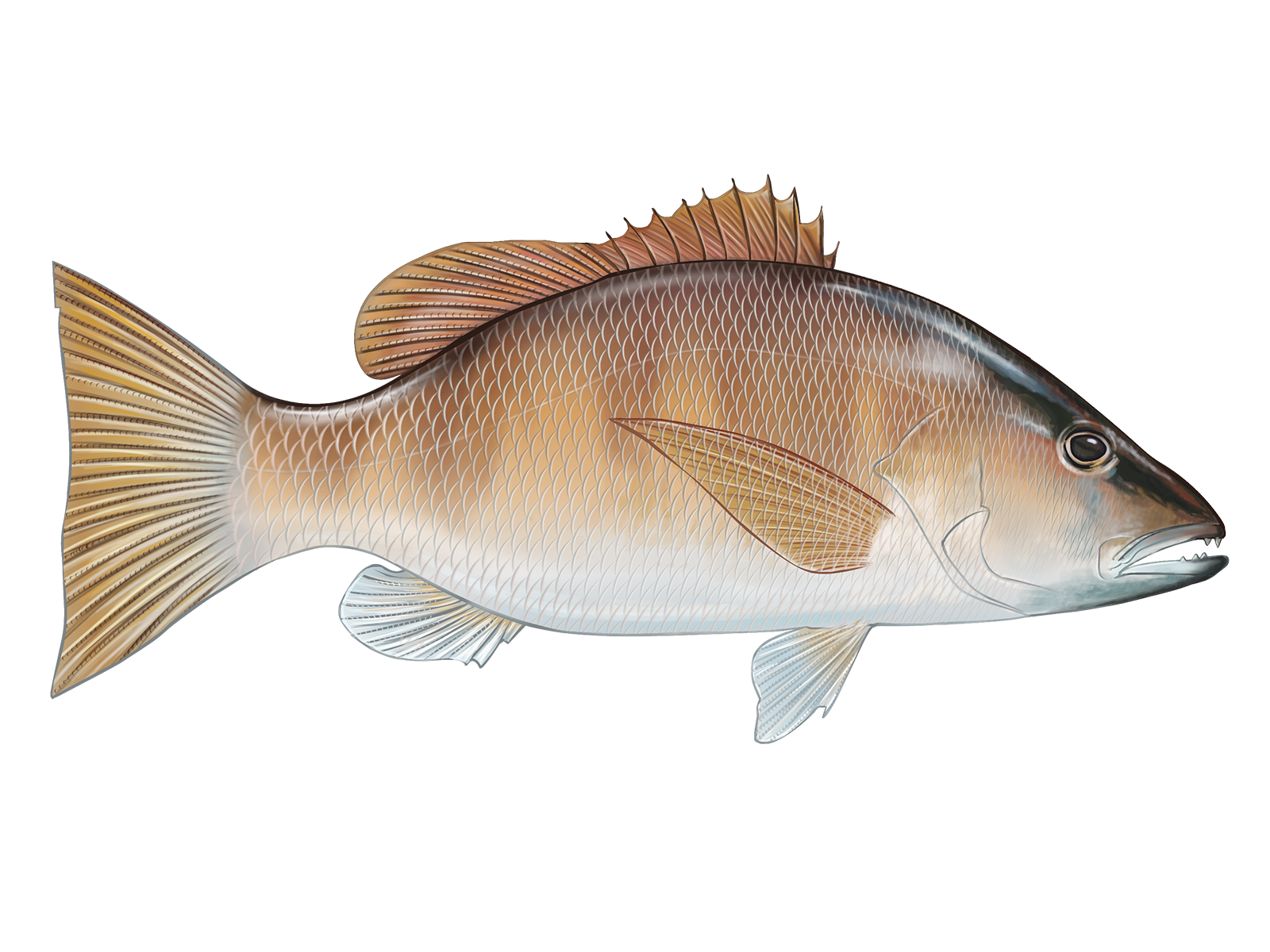 Grey Snapper
 Redfish
 Sheepshead
 Snook
Snook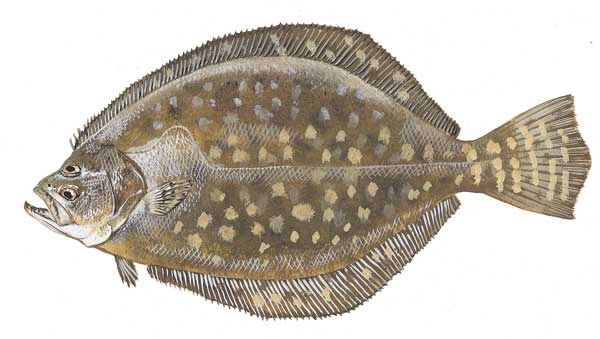 Southern Flounder
- 6-hour inshore charter targeting redfish, snook, trout, and sharks in protected waters
- Professional captain provides quality gear, live bait, and local expertise for all skill levels
- Comfortable fishing experience with catch-and-keep or catch-and-release options available
Trip Pricing and Availabilities:
Full Day Ponce Inlet Inshore Fishing Charter
Looking to spend a full day chasing some of Florida's most sought-after inshore species? This 6-hour fishing adventure with Spot Stalker Charters LLC puts you right in the heart of Ponce Inlet's best fishing grounds. We're talking about exploring three top-rated fishing zones - Ponce Inlet, Halifax River, and Indian River - all in one epic day on the water. Whether you're a seasoned angler or just getting your feet wet, this charter delivers the personal attention and local knowledge that makes all the difference between coming home with stories and coming home with fish.
What to Expect on the Water
Your captain knows these waters like the back of his hand, and that expertise shows from the moment you step aboard. This isn't some cookie-cutter fishing trip - it's a customized experience designed around what's biting and where they're holding. The beauty of fishing three different systems in one day means you're not putting all your eggs in one basket. If the redfish are being finicky in the Halifax River, we can slide over to Indian River where the snook might be more cooperative. That's the advantage of having six hours and multiple prime locations at your disposal. The boat comes equipped with everything you need - FFP Osprey spinning reels paired with MHX custom rods that can handle anything from feisty trout to bull sharks. Live bait and artificial lures are provided, plus your saltwater fishing license is covered, so you can focus entirely on fishing.
Gear Setup & Fishing Zones
The captain runs quality tackle that's perfectly matched to these inshore environments. Those MHX custom rods aren't just for show - they've got the backbone to handle big redfish in structure while still being sensitive enough to feel a sheepshead nibbling on a shrimp. The FFP Osprey spinning reels are workhorses that won't let you down when that slot snook makes its first screaming run toward the mangroves. We'll be working everything from shallow grass flats to deeper channel edges, adjusting techniques as we move between the three river systems. In Ponce Inlet, expect to fish around the jetties and inlet mouth where baitfish stack up with the tidal flow. The Halifax River offers excellent mangrove shorelines and oyster bars that hold snapper and sheepshead, while Indian River's expansive flats are redfish and trout paradise. Live bait presentation, sight fishing, and targeted structure fishing are all part of the game plan, depending on conditions and what species are most active.
Species You'll Want to Hook
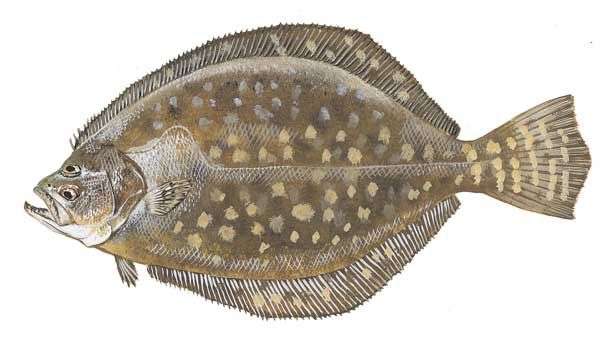
Southern Flounder are some of the most underrated fighters in these waters. These flatfish ambush prey from sandy bottoms and grass edges, particularly during moving tides when baitfish are on the move. Best targeting happens during cooler months from October through March, and once you hook into a keeper-sized flounder, you'll understand why locals get so excited about them. They're excellent table fare and put up a surprisingly strong fight for a flatfish. The way they inhale a live shrimp or mud minnow and then try to bury themselves in the bottom makes for some memorable hooksets.
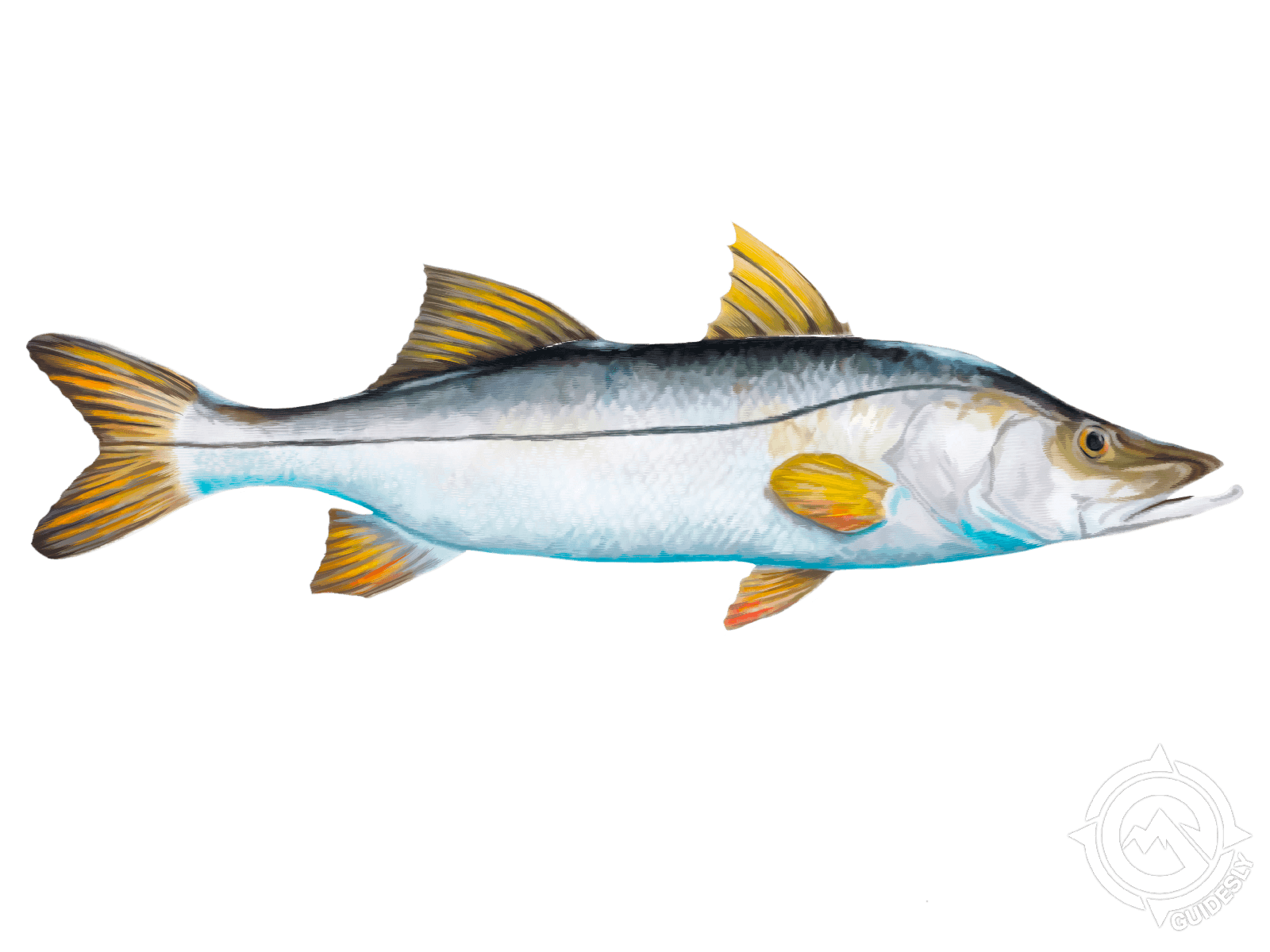
Snook are the crown jewel of Florida inshore fishing, and these waters hold some beautiful fish. They're structure-oriented predators that love mangrove overhangs, dock pilings, and bridge shadows during daylight hours. Summer months bring the most consistent action, but these fish can be caught year-round if you know where to look. What makes snook special is their explosive strikes and acrobatic fights - they'll jump, gill-rattle, and make powerful runs that test your drag system. Plus, they're gorgeous fish with that distinctive black lateral line that photographs beautifully for your social media bragging rights.
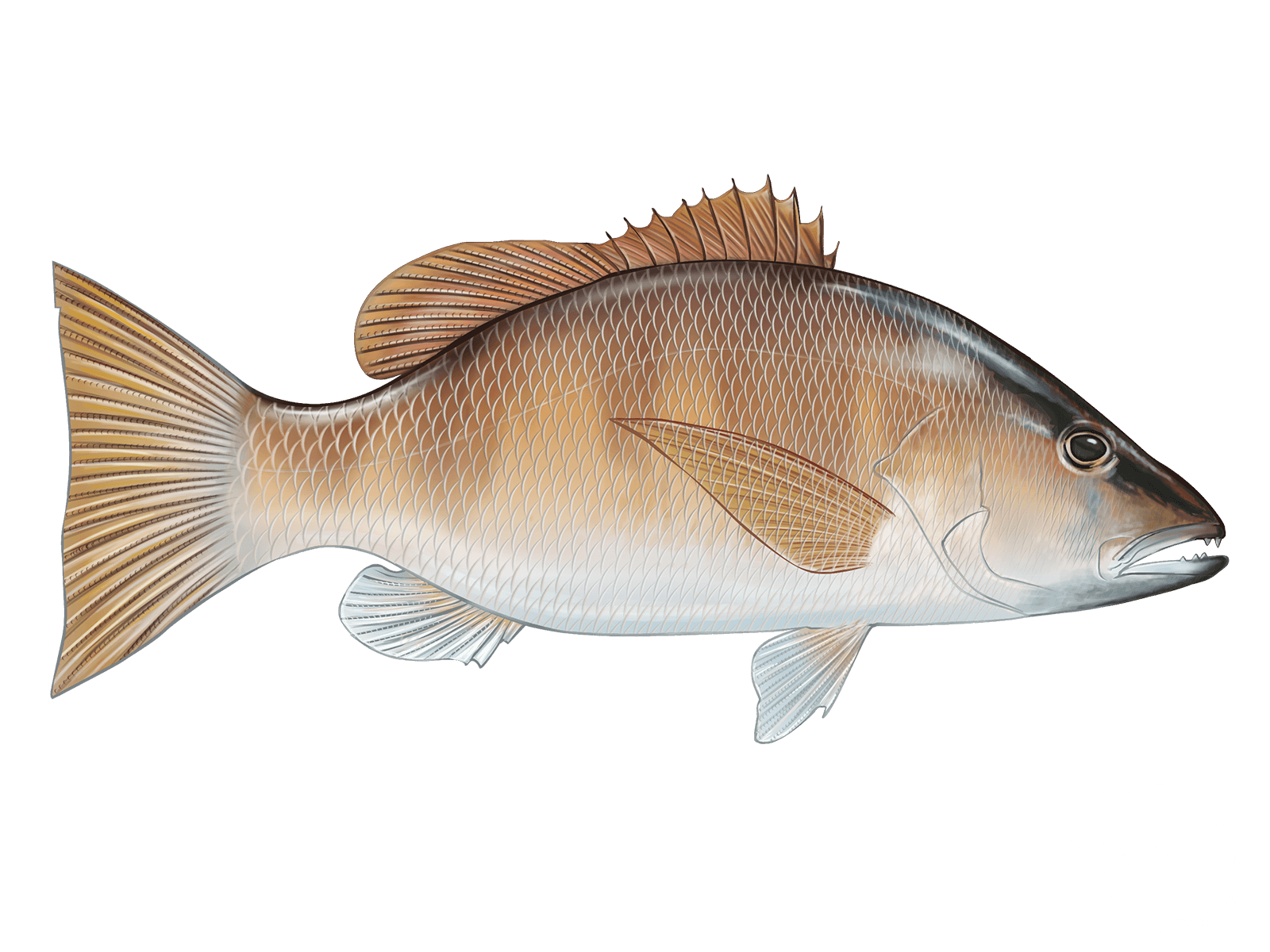
Grey Snapper, or mangrove snapper as most folks call them, are the perfect species for anglers who enjoy finesse fishing. These fish are smart, structure-oriented, and will test your patience with their light bites. They hang around oyster bars, bridge pilings, and mangrove roots where they feed on small crabs and shrimp. Summer brings the best action when they're more aggressive, but they're catchable year-round. Don't let their size fool you - a quality mangrove snapper will make multiple runs and fight like a fish twice its size. They're also fantastic eating, which makes them a customer favorite for those wanting to take dinner home.
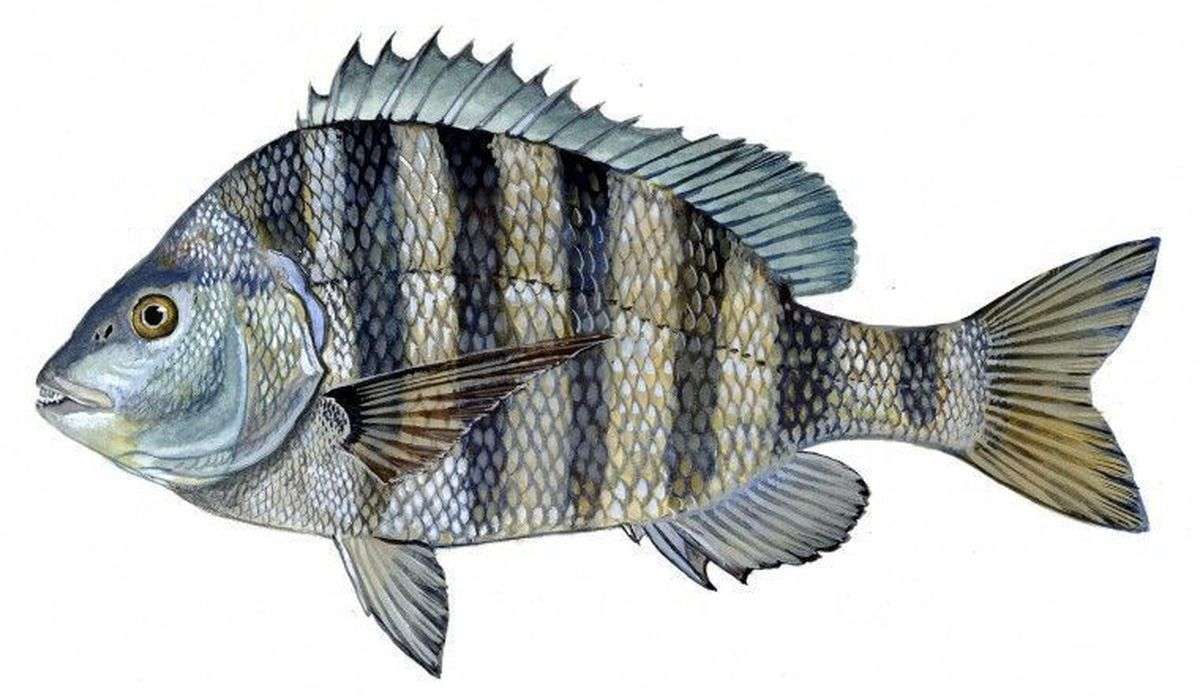
Sheepshead are the thieves of the inshore world, famous for stealing bait with surgical precision. These black-and-white striped fish gather around any structure with barnacles or oysters, using their human-like teeth to crush crustaceans. Winter months from December through March offer the best sheepshead action when they school up for spawning. Catching them requires patience and quick hooksets, but once you master the technique, they're incredibly rewarding. Their unique appearance and excellent table quality make them a must-target species during the cooler months.
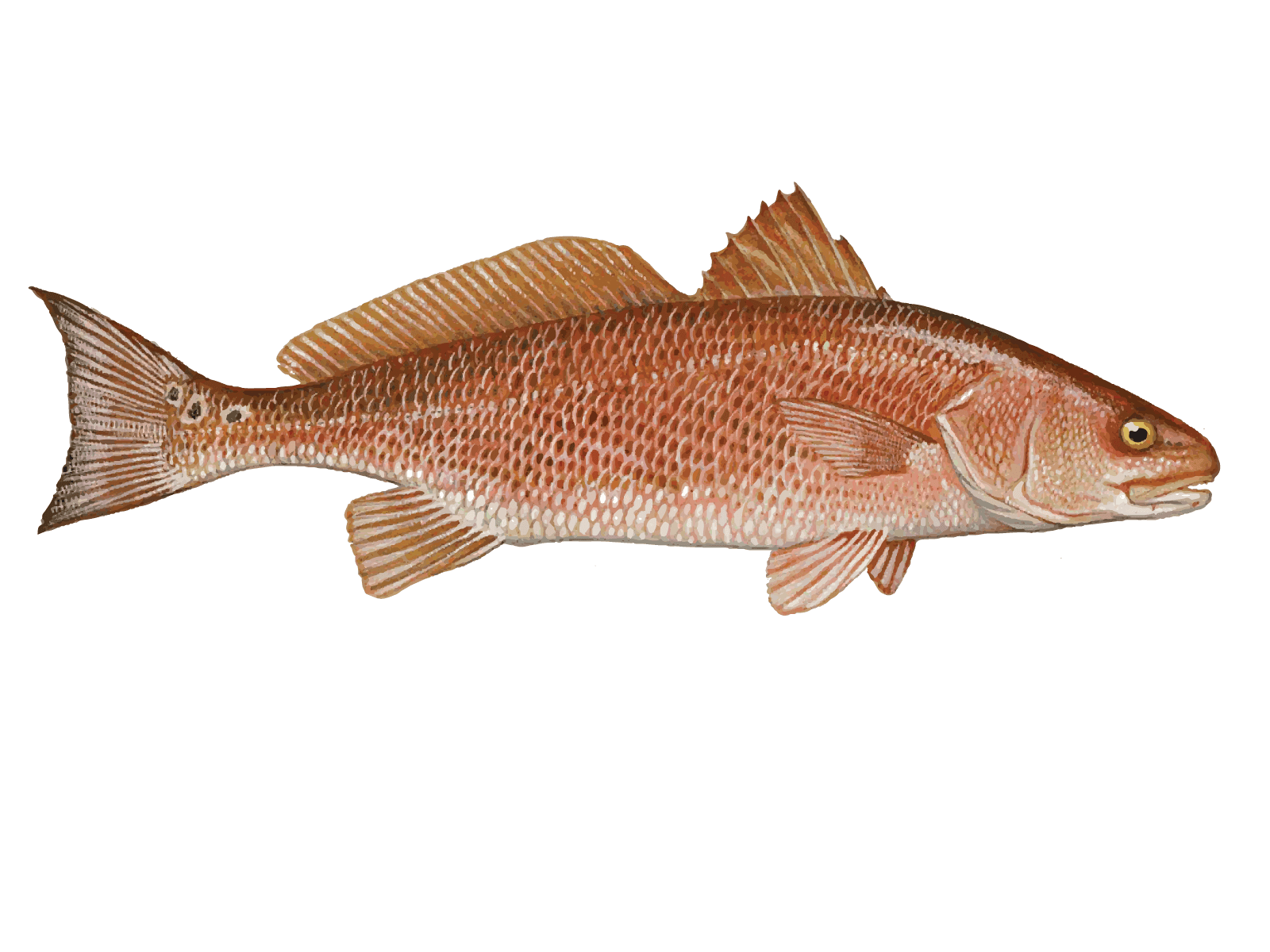
Redfish are Florida's signature inshore species and for good reason. These copper-colored bruisers are built for power, with broad tails that generate impressive runs when hooked. They're year-round residents that can be found tailing in skinny water or cruising grass flats in small schools. What makes redfish special is their willingness to eat both live bait and artificials, plus they're incredibly photogenic with their distinctive spot patterns. The slot-sized fish fight hardest, while the oversized bulls provide raw power that will test your tackle and technique. They're also remarkably hardy, making them perfect for catch-and-release fishing.
Time to Book Your Spot
This full-day charter offers everything serious anglers want - quality tackle, productive waters, and the flexibility to adapt to conditions. With only one angler per trip, you're getting the ultimate personalized fishing experience without having to share prime fishing spots or compete for the captain's attention. The combination of three world-class
Learn more about the species
Grey Snapper
Also called Mangrove Snapper, these copper-red fish are smart and opportunistic. Most weigh 1-3 pounds inshore, but open water specimens can reach 20 pounds. Look for them around any structure - docks, reefs, mangroves, even debris piles. They're nocturnal feeders, so low light conditions work best, especially dawn and dusk. What guests love is the challenge - they're notorious bait thieves with those sharp little teeth. The payoff is sweet, white meat that's hard to beat on the table. They spawn during full moons, making those periods productive. Best technique is live shrimp hooked through the tail, dropped to the bottom near structure. Here's the key: when you feel them nibbling, resist the urge to jerk. Let them take it and swim away before setting the hook firmly.
Redfish
Redfish are the crown jewel of our inshore waters, with their copper-red backs and distinctive black spots near the tail. Most run 20-30 inches, but the big "bulls" can push 40+ inches and 30 pounds. They cruise super shallow flats, sometimes with their backs out of the water, feeding around oyster bars and grass beds. Year-round fishing, but fall is peak when they school up. What makes them special is that aggressive strike and bulldog fight - they'll pull drag and make long runs. Plus they're great eating in the slot size. Look for nervous water, wakes, or tailing fish in 1-4 feet of water. My go-to setup is a gold spoon or live shrimp under a cork. Pro tip: when you see them tailing, cast well ahead and let your bait drift into their feeding zone naturally.
Sheepshead
These "convict fish" with black and white stripes are famous for their human-like teeth and bait-stealing abilities. They average 1-8 pounds and 14-20 inches, living around barnacle-covered structures like docks, bridges, and jetties. Winter and early spring are prime time when they move inshore to spawn. What makes them exciting is the challenge - they're picky eaters with powerful jaws that can crush shells. The reward is some of the sweetest white meat you'll find. They feed on barnacles, crabs, and shrimp right against hard structure. Use fiddler crabs or live shrimp on a small hook, and get your bait tight to the pilings. Here's the trick: when you feel that light tapping, set the hook hard and fast. They'll steal your bait all day if you hesitate.
Snook
Snook are the local favorite with their distinctive black lateral line and golden color. Most run 18-30 inches, but the bigger females can hit 40+ inches and really test your drag. They love structure - mangroves, docks, bridges, anywhere with cover and current. Spring through fall is peak season, especially during spawning when their fins turn bright yellow. What draws anglers back is that explosive strike and the way they jump and run when hooked. Plus they're excellent table fare with sweet, white meat. These fish are temperature sensitive, so warmer months are your best bet. Here's a local trick: cast live pilchards or shrimp right up against the structure where they're hiding. Don't worry about getting close to cover - that's where they live.
Southern Flounder
These flat fish are masters of disguise, burying themselves in sand and mud to ambush prey. You'll typically catch them 15-18 inches and around 5 pounds, though bigger ones push 20+ pounds. They love shallow waters with soft bottoms - perfect spots along our flats and creek mouths. Both eyes sit on their left side, which always gets a reaction from first-timers. Fall and winter are prime time when they're feeding heavy before moving offshore. What makes them special is the fight - they pull hard and steady, plus the meat is white and flaky, some of the best eating around. Pro tip: use a slow drift with live shrimp or mud minnows on the bottom. When you feel that subtle tap-tap, don't set the hook right away - let them take it and swim off first.
About the Skeeter SX240
%2F%2Fusers%2Fb0111a3f-50fa-4a52-a020-23431b7440cb%2Fvehicle_picture%2F1000003938-mfv6ep4q.jpg&w=1920&q=75)
Vehicle Guest Capacity: 5
Manufacturer Name: Yamaha
Maximum Cruising Speed: 40
Number of Engines: 1
Horsepower per Engine: 300