%2Ffit-in%2F250x250%2Fguide_websites%2F420%2Fimages%2F1763521398600spot-stalker-_3_-1-294w-removebg-preview.png&w=1920&q=100)
/users/b0111a3f-50fa-4a52-a020-23431b7440cb/ratecard/4385-mjwypau7.jpg)
%2F300x300%2Fusers%2Fb0111a3f-50fa-4a52-a020-23431b7440cb%2Fratecard%2F4385-mjwypau7.jpg&w=256&q=75)
%2F300x300%2Fusers%2Fb0111a3f-50fa-4a52-a020-23431b7440cb%2Fimages%2F1c25584f-98bd-4de7-ad06-70c58d81b3ee.jpg&w=256&q=75)
%2F300x300%2Fusers%2Fb0111a3f-50fa-4a52-a020-23431b7440cb%2Fimages%2F65d7c1ed-3fba-4e30-bde2-4cc09f13b470.jpg&w=256&q=75)
%2F300x300%2Fusers%2Fb0111a3f-50fa-4a52-a020-23431b7440cb%2Fimages%2Fcf22e88f-0836-4647-841e-a9126b59f736.jpg&w=256&q=75)
%2F300x300%2Fusers%2Fb0111a3f-50fa-4a52-a020-23431b7440cb%2Fimages%2Fee9e0c82-dec4-4473-9fd4-515a8d31df02.jpg&w=256&q=75)
%2F300x300%2Fusers%2Fb0111a3f-50fa-4a52-a020-23431b7440cb%2Fimages%2Fb260b05c-8678-41c6-8355-7674536994c3.jpg&w=256&q=75)
%2F300x300%2Fusers%2Fb0111a3f-50fa-4a52-a020-23431b7440cb%2Fimages%2F813cd47b-37a6-42c0-80e1-df5622ad2643.jpg&w=256&q=75)
%2F300x300%2Fusers%2Fb0111a3f-50fa-4a52-a020-23431b7440cb%2Fimages%2F450d0448-42c3-4c8a-ab4a-41848347bad2.jpg&w=256&q=75)
%2F300x300%2Fusers%2Fb0111a3f-50fa-4a52-a020-23431b7440cb%2Fimages%2F9d6d76e9-ab8a-461e-9b8a-7d4ba6103a22.jpg&w=256&q=75)
%2F300x300%2Fusers%2Fb0111a3f-50fa-4a52-a020-23431b7440cb%2Fimages%2Fc4100f68-65de-43a1-b404-518d5d0b8998.jpg&w=256&q=75)
%2F300x300%2Fusers%2Fb0111a3f-50fa-4a52-a020-23431b7440cb%2Fimages%2F90a5b9f5-9509-4395-b8ad-3fa009768be7.jpg&w=256&q=75)
New Smyrna Beach Offshore Charter Adventures
 New Smyrna Beach
What you will be catching:
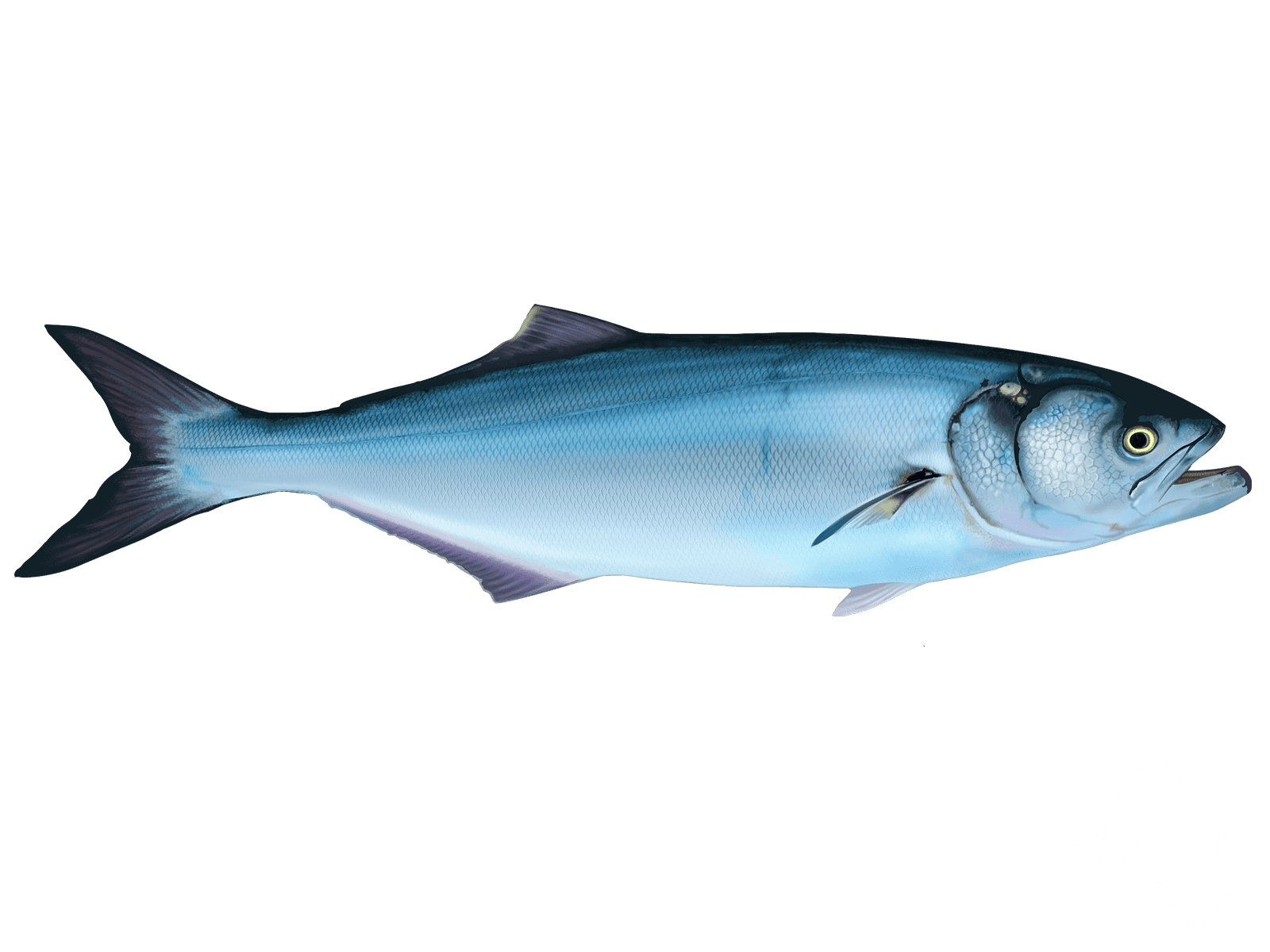
 Bluefish
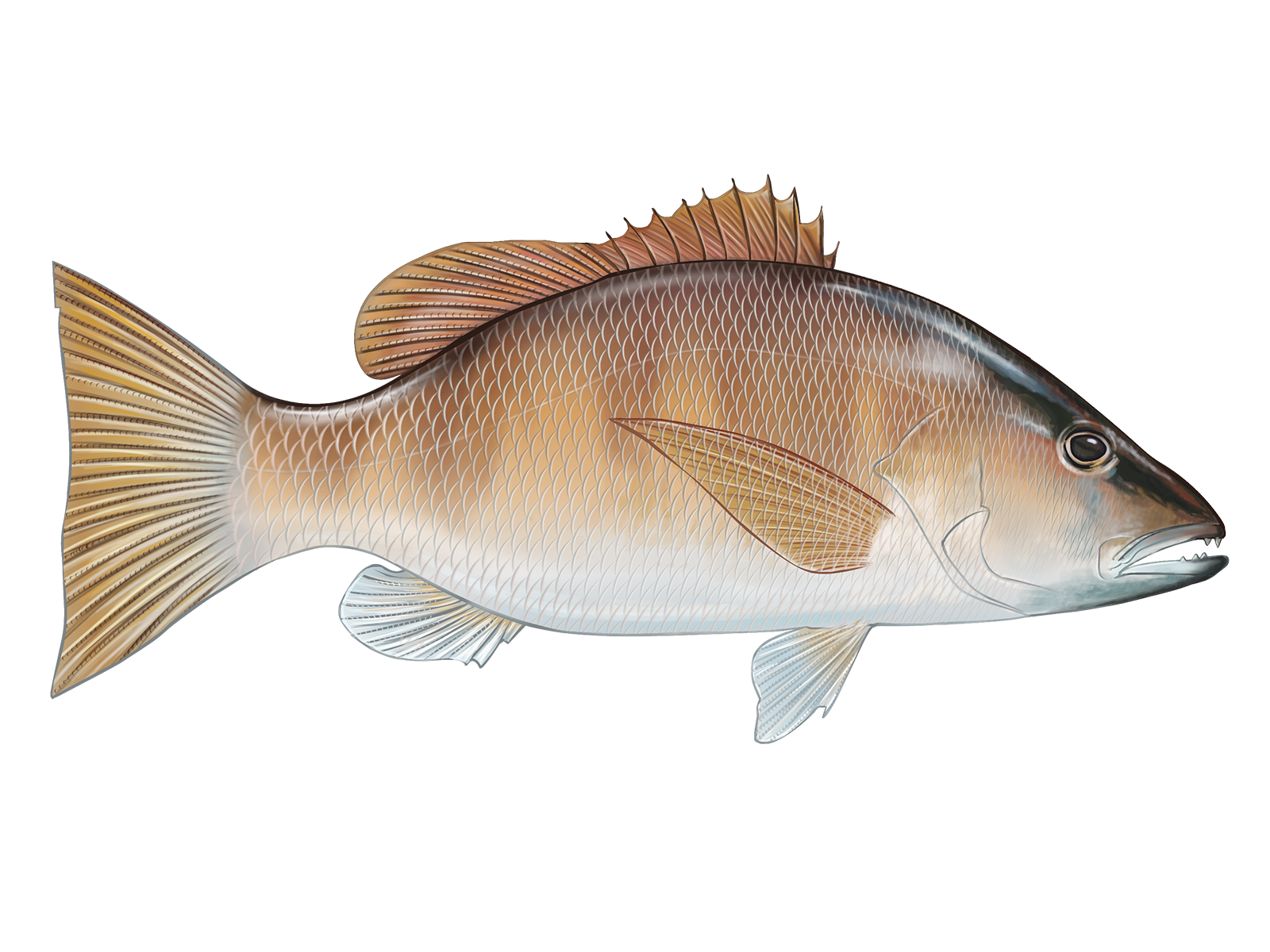 Grey Snapper
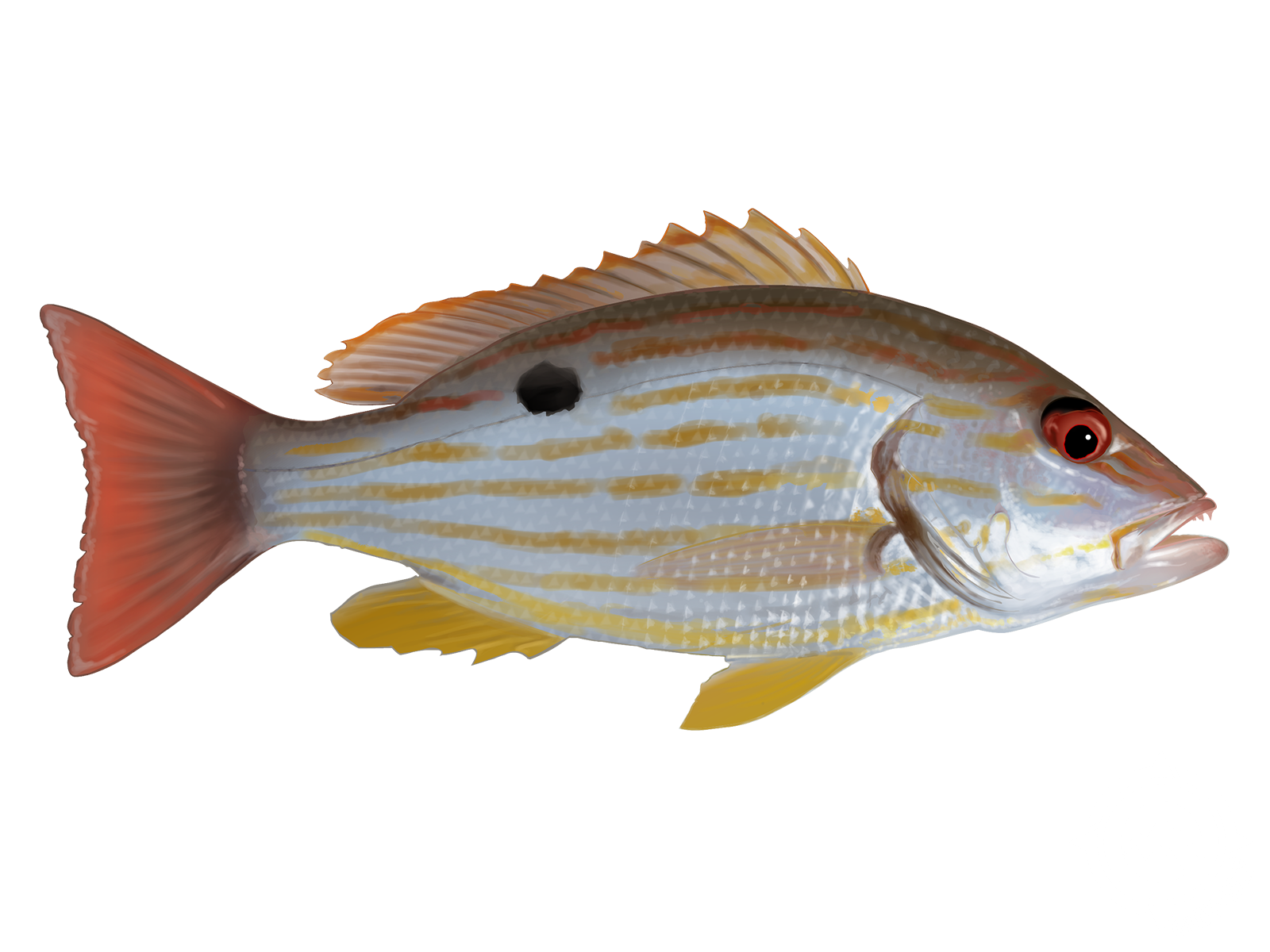 Lane Snapper
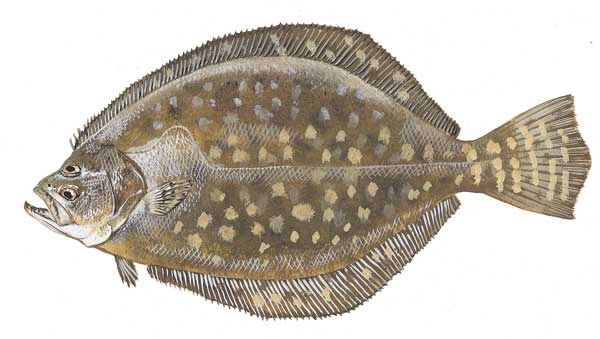 Southern Flounder
 Spanish Mackerel
- Personalized one-on-one fishing with Captain Todd Vivian
- Target redfish, trout, and snook in Mosquito Lagoon waters
- Covers both shallow inshore and deeper nearshore areas
Trip Pricing and Availabilities:
Inshore Fishing with Captain Todd Vivian
Looking for a solid fishing trip that won't break the bank? Captain Todd Vivian at Spot Stalker Charters LLC has been putting anglers on fish in the waters around New Smyrna Beach for years. This isn't some crowded party boat experience – you're getting personalized attention with just one angler on board. Whether you're targeting the flats of Mosquito Lagoon or working the nearshore waters off Ponce Inlet, Captain Todd knows where the fish are biting and how to get you hooked up.
What to Expect on the Water
Your day starts early, meeting Captain Todd at one of the local launches around New Smyrna Beach. The beauty of this charter is the flexibility – depending on conditions and what's biting, you might find yourself sight fishing the crystal-clear shallows of Mosquito Lagoon or drifting structure in the deeper nearshore waters. The Mosquito Lagoon system is legendary among Florida anglers, and for good reason. These waters hold some of the most diverse fisheries on the East Coast, from grass flats loaded with redfish to deeper holes where snapper stack up. Captain Todd's been fishing these waters long enough to read the subtle changes that make the difference between a slow day and a fish-filled adventure. You'll cover water from Edgewater down through Port Orange, hitting the spots that consistently produce fish while avoiding the weekend crowds that can make popular areas less productive.
Tackle and Techniques
Captain Todd comes prepared with quality gear that's perfectly matched to the fishery. For inshore work, expect medium-action spinning rods paired with reels that can handle both finicky redfish and the blistering runs of a good-sized snook. Live bait is the name of the game here – fresh shrimp, pilchards, and finger mullet that'll get the attention of whatever's cruising the flats. When you're working the nearshore structure, the tackle gets a bit heavier to handle the bigger snapper and the occasional cobia that might crash the party. Captain Todd's approach is hands-on but not overwhelming. He'll show you the right technique for working a live shrimp over a grass flat or how to present a bait to spooky fish in shallow water. The Mosquito Lagoon can be technical fishing – these fish see a lot of pressure, so presentation matters. You'll learn to read the water, spot fish movement, and make those precise casts that turn follows into hookups. For nearshore work, it's more about understanding structure, current, and how fish relate to bottom features that hold baitfish.
Species You'll Want to Hook
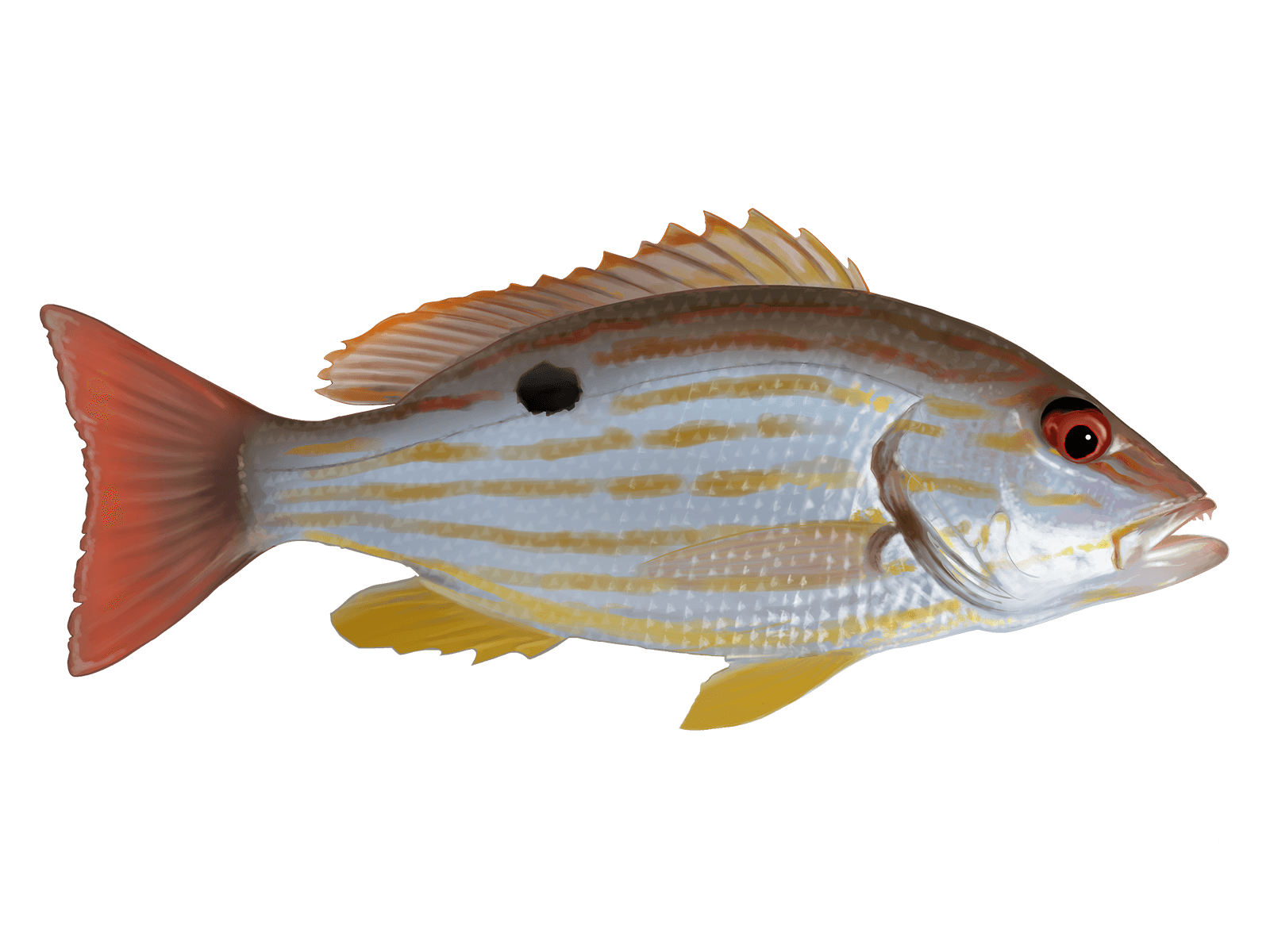
Lane snapper are one of the most underrated fighters in these waters. Don't let their size fool you – a good lane snapper will give you a fight on light tackle, and they're absolutely delicious table fare. These fish love structure, whether it's natural rock formations or artificial reefs, and they're active year-round in Florida waters. Captain Todd knows the spots where lanes congregate, often in schools that can provide fast action once you dial in the right depth and bait presentation. Peak action usually happens during moving water, when these aggressive feeders are most active.
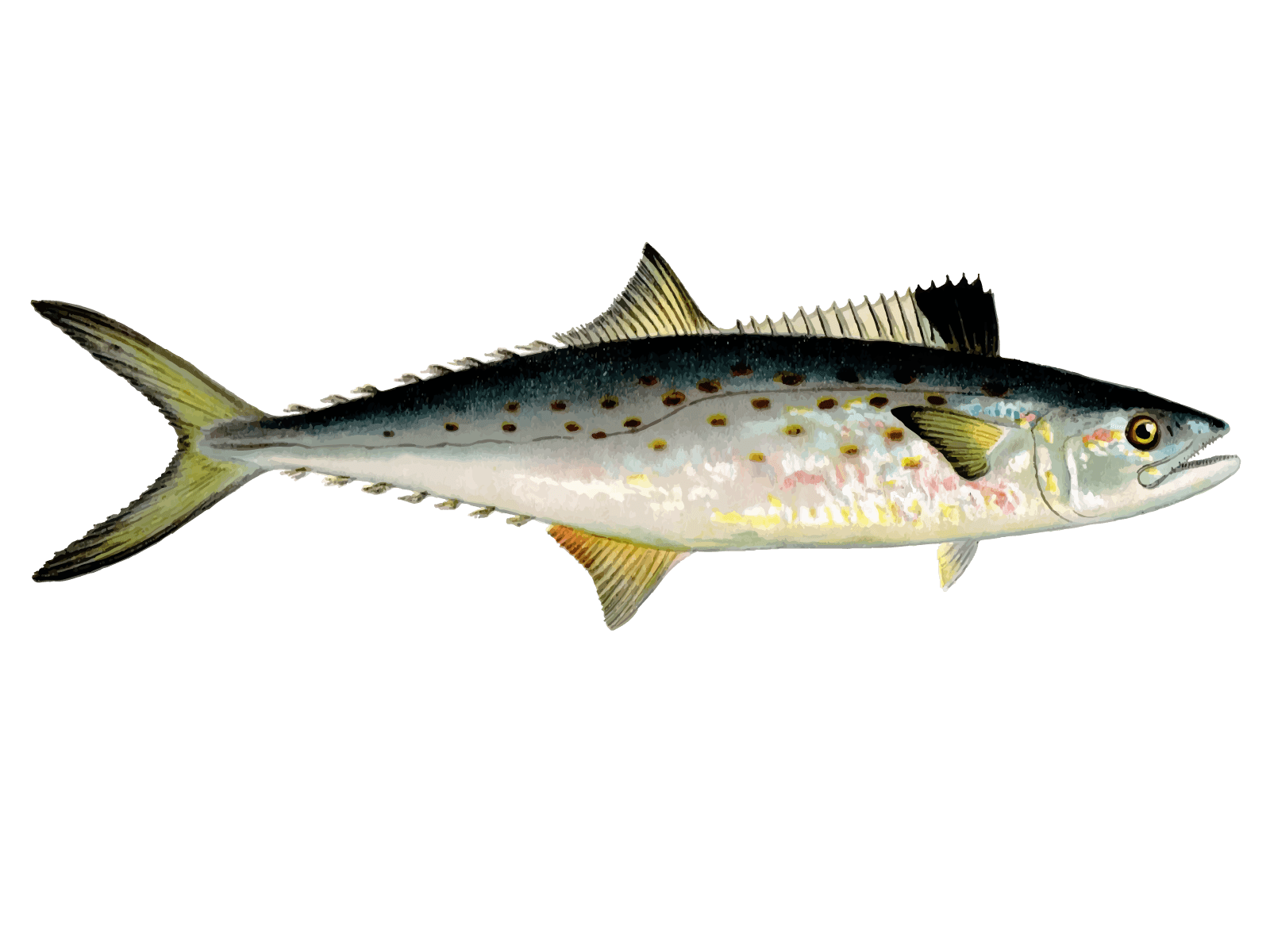
Spanish mackerel are pure adrenaline on light tackle. These speed demons show up in good numbers during the cooler months, typically from fall through early spring, and they'll absolutely scream line off your reel. They're excellent targets for anglers who want consistent action – when you find a school of Spanish mackerel, you can often catch fish after fish until they move on. They're also fantastic eating when handled properly, with firm white meat that's perfect for the grill. Look for diving birds as a sign of mackerel activity, and be ready for fast, aggressive strikes.
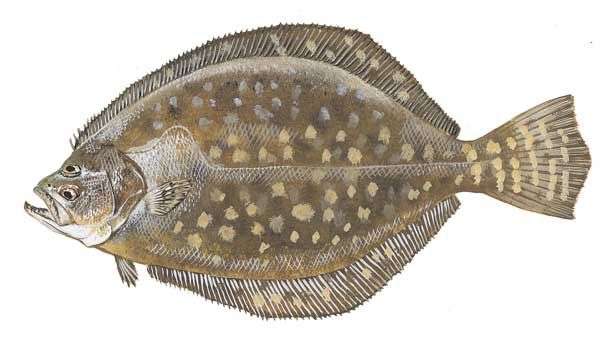
Southern flounder are the ultimate ambush predators, and catching them requires patience and the right technique. These flatfish hide in sandy areas near structure, waiting to ambush unsuspecting baitfish. Fall is prime time for flounder fishing, when they're moving toward inlets for their offshore spawning migration. A good flounder is a trophy fish – they can reach impressive sizes and provide excellent table fare. The key is working your bait slowly along the bottom, giving these deliberate feeders time to commit to the bite.
Bluefish are the bulldogs of the nearshore waters, and when they're around, you'll know it. These aggressive predators travel in schools and feed with reckless abandon, often creating spectacular surface activity. They're excellent fighters that will test your tackle and your drag system. While they're not the best table fare, they're pure fun on light tackle and often save the day when other species aren't cooperating. Spring and fall migrations bring the biggest schools through the area.
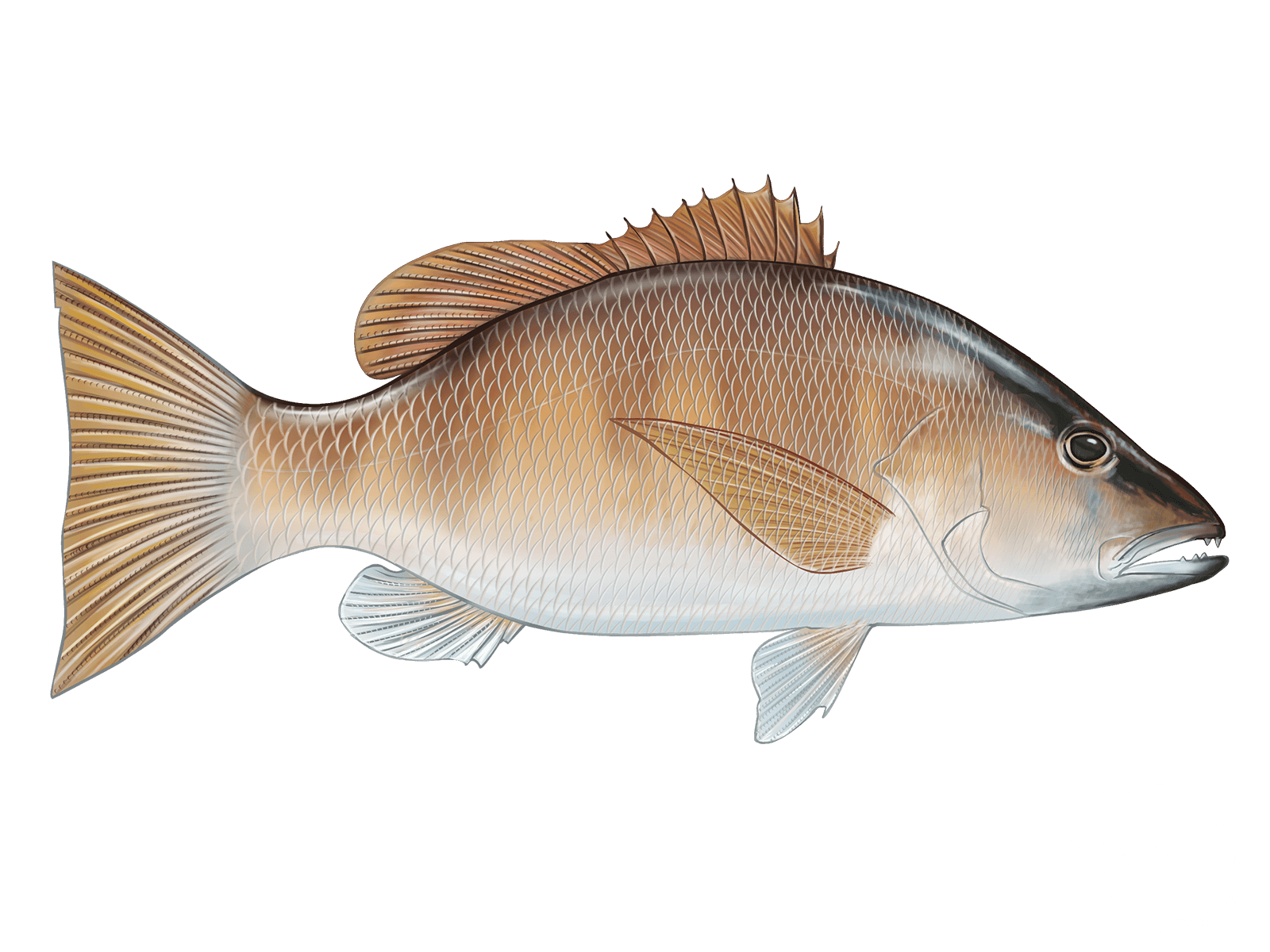
Grey snapper, also known as mangrove snapper, are among the smartest fish you'll target on this trip. These cunning predators are structure-oriented and incredibly line-shy, making them a real challenge for anglers. But that challenge is exactly what makes them so rewarding to catch. They're excellent table fare and can reach impressive sizes around the right structure. Night fishing often produces the biggest grey snapper, when they're more willing to venture away from cover to feed. Captain Todd knows the spots where these wary fish feel comfortable enough to bite during daylight hours.
Time to Book Your Spot
If you're ready to experience some of Florida's best inshore and nearshore fishing without the crowds, Captain Todd Vivian has the local knowledge and fishing skills to make it happen. The waters around New Smyrna Beach offer year-round fishing opportunities, with seasonal patterns that keep things interesting no matter when you visit. This personalized charter experience gives you the flexibility to target the species you're most interested in while learning techniques that'll make you a better angler long after the trip ends. Don't wait – the best fishing days fill up fast, especially during peak seasons when the fish are most active.
Learn more about the species
Bluefish
Bluefish are aggressive predators with razor-sharp teeth and an attitude to match. They typically run 2-10 pounds around here, with their blue-green backs and silver sides making them easy to identify. These voracious feeders travel in schools, hitting anything that moves when they're in a feeding frenzy. Summer months bring them close to shore where they'll chase baitfish right into the surf and around inlet mouths. Guests love the non-stop action when we find a school - they'll hit spoons, cut bait, and live sardines with equal enthusiasm. They fight hard and are decent eating when properly prepared, though the smaller ones taste better. When handling them, watch those teeth! The secret is finding the birds - when you see them diving, there's usually blues underneath tearing up baitfish.
Grey Snapper
Grey snappers, also called mangrove snappers, are copper-red fish with a distinctive dark stripe through their eye and a reputation for being smart. Most run 10-14 inches inshore, though bigger ones lurk around deeper structure. They love docks, mangrove edges, rock piles, and any cover where they can ambush prey. These nocturnal hunters are most active at dawn, dusk, and night, making them perfect targets for evening trips. What guests enjoy is the chess match - they're spooky and selective, but once hooked, they fight hard and make excellent eating with sweet, white meat. The key is patience and keeping movement to a minimum. Live shrimp hooked through the tail works best, dropped to the bottom then lifted just off the structure. Don't set the hook immediately - let them take it and swim off first.
Lane Snapper
Lane snappers are beautiful pink and silver fish with distinct yellow stripes running along their sides like candy canes. These aggressive little fighters typically run 10-14 inches and love coral reefs, sandy bottoms, and areas with good vegetation. Around New Smyrna Beach, you'll find them in 15-40 feet of water near structure. They're not picky eaters - shrimp, cut bait, and small jigs all work well. What makes them special is they're often a bonus catch when targeting other snappers, but they fight hard for their size and make excellent table fare with sweet, white meat. Best fishing is March through September during their spawn. Pro tip: use a 4/0 circle hook and let your bait hit bottom, then reel up just a foot - they're bottom feeders and will grab it quick.
Southern Flounder
Southern flounder are masters of disguise - flat, oval-shaped fish with both eyes on their left side that can change color to match the bottom perfectly. Most run 15-18 inches, but we catch some nice 3-5 pounders that'll surprise you with their fight. They love sandy, muddy bottoms in shallow bays, around docks, and creek mouths where they ambush prey. Fall and winter are peak times when they're moving to deeper water. What makes them special is the challenge - they're invisible until they hit your bait, then it's a bulldogging battle to the surface. Plus, they're hands-down some of the best eating fish we catch. The trick is slow-drifting live mud minnows or shrimp right on the bottom with a light jighead. Feel for that subtle thump and give them a second before setting the hook.
Spanish Mackerel
Spanish mackerel are silver bullets with golden spots that'll test your drag system. These speedsters average 1-2 feet and 2-4 pounds, but their blazing runs make them feel much bigger. They travel in large schools near the surface, especially around structure and baitfish. Spring through fall is prime time when water temps warm up - look for diving birds to find the schools. They hit fast-moving spoons, small jigs, and live bait like sardines or shrimp. Guests love them because they're pure adrenaline on light tackle and make outstanding table fare - mild, flaky meat that's perfect grilled or smoked. The key is staying mobile and covering water until you locate a school. Once you find them, work fast with shiny lures because they'll move on quickly.
About the Skeeter SX240
%2F%2Fusers%2Fb0111a3f-50fa-4a52-a020-23431b7440cb%2Fvehicle_picture%2F1000003938-mfv6ep4q.jpg&w=1920&q=75)
Vehicle Guest Capacity: 5
Manufacturer Name: Yamaha
Maximum Cruising Speed: 40
Number of Engines: 1
Horsepower per Engine: 300